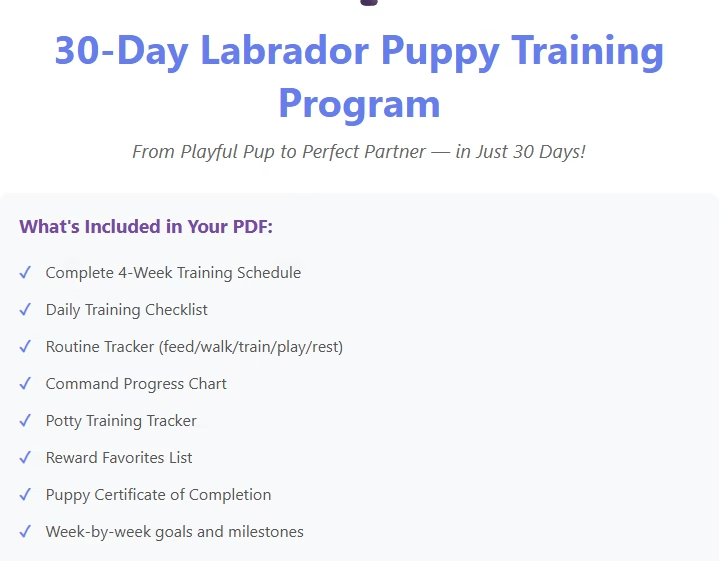
Transform Your Labrador Puppy from Playful Pup to Perfect Partner
Learn how to train a Labrador puppy in just 30 days with our proven step-by-step guide. Covers obedience training, potty training, socialization, and essential commands for Lab puppies.
Introduction: Why Labrador Puppy Training Matters
Labrador Retrievers are among the most popular dog breeds worldwide, known for their intelligence, loyalty, and friendly nature. However, without proper training, even the most lovable Lab puppy can develop behavioral problems. This comprehensive 30-day Labrador training program will help you establish a strong foundation for lifelong obedience and companionship.
What You’ll Learn in This Guide:
- Labrador puppy potty training techniques that work
- Essential obedience commands for Labs
- Socialization strategies for confident puppies
- Crate training methods for Labradors
- Leash training and loose-leash walking
- Fun tricks and advanced commands
Understanding Your Labrador Puppy’s Learning Ability
Why Labradors Are Easy to Train
Labrador Retrievers rank among the top 10 most intelligent dog breeds. Their natural eagerness to please, combined with food motivation, makes them exceptionally trainable. Key characteristics include:
- High intelligence and quick learning ability
- Strong food motivation (perfect for treat-based training)
- People-oriented personality
- Energetic and playful nature
- Eager to please their owners
Best Age to Start Labrador Puppy Training
Begin training your Labrador puppy as early as 8 weeks old. Puppies have critical socialization periods between 3-14 weeks, making early training essential for well-adjusted adult dogs.
Essential Training Supplies for Your Labrador
Before starting your 30-day training program, gather these supplies:
- High-quality training treats (small, soft pieces)
- Clicker (optional but recommended)
- 6-foot leash and properly fitted collar
- Dog crate (appropriate size for your Lab)
- Chew toys and interactive puzzle toys
- Enzymatic cleaner for accidents
- Training treat pouch
Week 1: Bonding and Basic Foundations (Days 1-7)
Day 1: Welcome Home and Name Recognition Training
Goal: Help your Labrador puppy learn their name and feel comfortable in their new home.
Step-by-Step Instructions:
- Create a quiet, safe space for your puppy
- Say your puppy’s name in an upbeat, happy tone
- When they look at you, immediately reward with a treat
- Practice 3-5 times per session, multiple times daily
- Keep training sessions short (3-5 minutes)
Pro Tip: Never use your Lab’s name when scolding. Keep it associated with positive experiences only.
Day 2: Establishing a Reward System and Gentle Handling
Labrador puppy training relies heavily on positive reinforcement. Introduce your reward system early:
- Choose high-value treats your Lab loves
- Consider clicker training for precise timing
- Practice gentle handling exercises:
- Touch paws (prepares for nail trimming)
- Handle ears (prepares for cleaning)
- Touch tail and body
- Examine teeth and mouth
Why This Matters: Labs need regular grooming and vet visits. Early handling prevents fear and resistance.
Day 3: Potty Training Your Labrador Puppy
Labrador potty training is one of the most important early skills.
Proven Potty Training Method:
- Take puppy out every 2-3 hours
- Always use the same outdoor spot
- Use a command like “Go potty”
- Praise and treat immediately after success
- Take puppy out after:
- Waking up
- Eating or drinking
- Playing
- Before bedtime
Common Mistake to Avoid: Never punish accidents. Simply clean with enzymatic cleaner and increase supervision.
Day 4: Crate Training for Labradors
Crate training provides your Lab with a safe den and helps with potty training and preventing destructive behavior.
Day 4 Focus: Introduction only
- Leave crate door open
- Toss treats inside
- Feed meals near or inside crate
- Make it cozy with blankets
- Never force your puppy inside
Success Indicator: Puppy voluntarily explores and enters crate.
Day 5: Feeding Time Manners
Labradors are notoriously food-motivated, making mealtime perfect for training.
Exercise:
- Prepare food bowl
- Ask for “Sit” (even if they don’t know it yet, lure into position)
- Say “Wait”
- Lower bowl slowly
- Say “Okay” to release
- Reward patience
Benefit: Prevents food aggression and teaches impulse control.
Day 6: Teaching Your Lab to Sit (First Command)
“Sit” is the foundation command for all Labrador obedience training.
How to Teach Sit:
- Hold treat close to puppy’s nose
- Slowly move treat up and back over their head
- As their head follows the treat, their bottom naturally lowers
- The moment their bottom touches the ground, say “Sit”
- Immediately give treat and praise
- Practice 5-10 times per session
Training Tip: Use “Sit” before everything your Lab wants: meals, walks, playtime, going outside.
Day 7: First Socialization Walk
Labrador socialization is critical for raising a confident, well-adjusted dog.
First Walk Guidelines:
- Keep it short (10 minutes)
- Choose a quiet area
- Let puppy observe:
- Cars and traffic
- Other people (at a distance)
- Other dogs (at a distance)
- Different sounds and surfaces
- Reward calm, curious behavior
- Don’t force interactions
Week 2: Structure and Confidence Building (Days 8-14)
Day 8: Teaching “Stay” Command
“Stay” teaches impulse control and keeps your Lab safe.
Training Steps:
- Start with your puppy in “Sit”
- Hold your hand up (palm facing them)
- Say “Stay”
- Take one step back
- Wait 3-5 seconds
- Step back to puppy
- Reward if they stayed
- Gradually increase distance and duration
Common Mistakes: Moving too fast. Build gradually from 3 seconds to 30 seconds before increasing distance.
Day 9: Crate Training Progress – Closed Door Practice
Goal: 10-15 minutes of calm crate time.
Method:
- Lure puppy into crate with treat
- Gently close door
- Stay nearby, calm and quiet
- If puppy fusses, wait for a quiet moment before opening
- Gradually extend duration
- Practice during natural nap times
Labrador crate training tip: Labs can hold their bladder approximately one hour per month of age (3-month-old = 3 hours maximum).
Day 10: Teaching “Come” (Recall Command)
Recall training is essential for your Labrador’s safety.
Indoor Training Exercise:
- Start in distraction-free room
- Kneel down to puppy’s level
- Say puppy’s name followed by “Come!”
- Use excited, happy voice
- Reward generously when they reach you
- Make it a game
Golden Rule: NEVER call your Lab to come for something unpleasant (bath, nail trim, etc.).
Day 11: Leash Introduction and Familiarization
Before leash training outdoors, help your Lab get comfortable wearing a leash.
Indoor Leash Practice:
- Attach leash to collar
- Let puppy drag it around (supervised only)
- Reward calm behavior
- Pick up leash and follow puppy
- Practice for 5-10 minutes
- Prevent leash biting with redirection to toys
Day 12: “Wait” Command Training
“Wait” differs from “Stay” – it means “pause briefly until released.”
Applications:
- Before going through doors
- Before exiting car
- Before crossing streets
- Before eating
Training Method:
- Approach door with puppy
- Say “Wait”
- Open door slightly
- If puppy moves forward, close door
- Repeat until puppy pauses
- Say “Okay” and allow through
- Reward compliance
Day 13: First Real Outdoor Walk
Leash training Labrador puppies requires patience, as Labs are naturally excited and energetic.
Walking Guidelines:
- Start with 5-10 minute walks
- When puppy pulls, stop immediately
- Resume walking only when leash is loose
- Reward walking beside you
- Change directions if pulling persists
- Keep walks short and positive
Equipment Tip: Consider a front-clip harness for easier control of pulling Labs.
Day 14: Play-Based Training
Incorporate training into Labrador play sessions to make learning fun.
Activities:
- Fetch with “Drop” command
- Tug with “Take it” and “Drop it”
- Hide and seek with “Come”
- Find the treat games
- End with calm cuddle time
Balance is Key: Labs need both mental stimulation and physical exercise.
Week 3: Socialization and Advanced Control (Days 15-21)
Day 15: Meeting New People Properly
Labrador puppies love people but need to learn appropriate greeting manners.
Training Protocol:
- Invite 1-2 calm friends
- Have puppy “Sit” before greeting
- Friends ignore puppy until sitting
- Once sitting, friends offer treats
- If puppy jumps, friends turn away
- Reward four-paws-on-floor behavior
Why This Matters: Prevents jumping problems as your Lab grows larger and stronger.
Day 16: Loose-Leash Walking Mastery
Goal: Your Lab walks calmly beside you without pulling.
Advanced Technique:
- Reward every few steps when leash is loose
- Use “Let’s go” when changing directions
- Practice in increasingly distracting environments
- Carry high-value treats for difficult situations
- Be consistent – never allow pulling to “work”
Patience Required: Labs are enthusiastic, so this skill takes time to master.
Day 17: Teaching “Down” Command
“Down” promotes calmness and is essential for impulse control.
Training Steps:
- Start with puppy in “Sit”
- Hold treat at nose level
- Slowly move treat down to floor
- Slide treat forward (away from puppy)
- Puppy’s body should follow into down position
- Say “Down” as they lie down
- Immediately reward
- Practice on different surfaces
Troubleshooting: If puppy stands instead of lies down, try training on a slightly elevated surface.
Day 18: Stopping Jumping Behavior
Labrador jumping is a common problem due to their friendly, excitable nature.
Correction Method:
- When puppy jumps, turn completely away
- Cross arms, avoid eye contact
- Wait for all four paws on ground
- Immediately reward calm behavior
- Practice with all family members
- Be absolutely consistent
Prevention: Teach an alternate behavior like “Sit” for greetings.
Day 19: “Stay” with Distractions
Increase difficulty by adding distractions to stay training:
- Toss a toy nearby
- Have someone walk past
- Practice with food on floor
- Add doorbell sounds
- Include other pets (if applicable)
Progressive Challenge: Start with mild distractions and gradually increase intensity.
Day 20: Car Ride Training
Many Labs love car rides, but some need desensitization training.
Gradual Introduction:
- Sit with puppy in parked car, engine off
- Reward calm behavior
- Start engine, reward calmness
- Take 5-minute drive around block
- Always end somewhere positive (park, not vet)
- Use car seat belt or secured crate for safety
Day 21: Public Space Training (Park Visit)
Test training in real-world environments.
Park Training Session:
- Practice all commands: Sit, Stay, Come, Down, Wait
- Work with distractions: dogs, people, sounds
- Keep sessions short (15-20 minutes)
- Use high-value rewards
- End on a successful note
Success Indicator: Puppy responds to commands despite distractions.
Week 4: Obedience Excellence and Fun Tricks (Days 22-30)
Day 22: Command Review and Consistency
Solid obedience requires regular practice and consistency.
Review Session:
- Run through all commands: Sit, Stay, Come, Down, Wait
- Practice in different locations
- Vary reward schedule (intermittent reinforcement)
- Reduce treat dependency gradually
- Add verbal praise and petting as rewards
- Time responses – aim for immediate compliance
Goal: Quick, reliable responses to all basic commands.
Day 23: Teaching “Shake Hands” Trick
Fun tricks strengthen your bond and provide mental stimulation.
How to Teach Shake:
- Puppy in sitting position
- Gently lift one paw
- Say “Shake” as you hold paw
- Reward immediately
- Release paw
- Practice until puppy offers paw voluntarily
Variation: Teach “High five” by raising your hand instead of extending it.
Day 24: Teaching “Spin” Trick
“Spin” is an easy, impressive trick that Labs learn quickly.
Training Method:
- Hold treat near puppy’s nose
- Slowly move treat in circle
- Puppy’s body follows the treat
- Say “Spin” as they complete circle
- Reward completion
- Practice both directions
Day 25: Teaching “Roll Over” Trick
This classic trick demonstrates your Labrador’s trust and training progress.
Step-by-Step:
- Start with puppy in “Down”
- Hold treat near nose
- Move treat toward shoulder
- Continue moving treat to guide full roll
- Say “Roll over” during the roll
- Reward generously
- Practice on soft surface initially
Patience Needed: Some Labs take longer to understand this trick.
Day 26: “Fetch and Drop” Game
Labrador Retrievers were bred to retrieve, making this a natural activity.
Training the Complete Retrieve:
- Show favorite toy
- Say “Fetch” and throw short distance
- Encourage puppy to pick up toy
- Call puppy back
- Hold treat near toy
- Say “Drop”
- Trade treat for toy
- Reward and repeat
Goal: Clean retrieve with automatic drop/release.
Day 27: Off-Leash Recall in Safe Area
Reliable recall is the most important safety command.
Safe Practice Method:
- Use fenced area or long training line (20-30 feet)
- Let puppy explore
- Call “Come” with enthusiasm
- Reward extremely well (jackpot treats)
- Never chase if puppy doesn’t come
- Practice multiple times
- Gradually increase distractions
Safety Warning: Only practice off-leash in completely secure areas until recall is 100% reliable.
Day 28: Command Chains (Multiple Commands in Sequence)
Advanced training involves combining multiple commands.
Example Sequences:
- Sit → Shake → Down → Roll Over
- Come → Sit → Stay → Come
- Down → Stay → Come → Sit
Benefits:
- Improves focus and attention span
- Demonstrates training mastery
- Provides mental stimulation
- Impresses friends and family
Day 29: Guest Greeting Challenge
Real-world application of all learned manners.
Setup:
- Invite friend to door
- Puppy must “Sit” and “Stay”
- Friend enters
- Puppy maintains sit/stay
- Release with “Okay”
- Puppy may greet politely (no jumping)
- Reward excellent manners
This tests: Impulse control, obedience, and socialization progress.
Day 30: Graduation Day – Celebrating Success!
Congratulations! You’ve completed 30 days of Labrador training.
Graduation Activities:
- Review all commands and tricks
- Take photos and videos
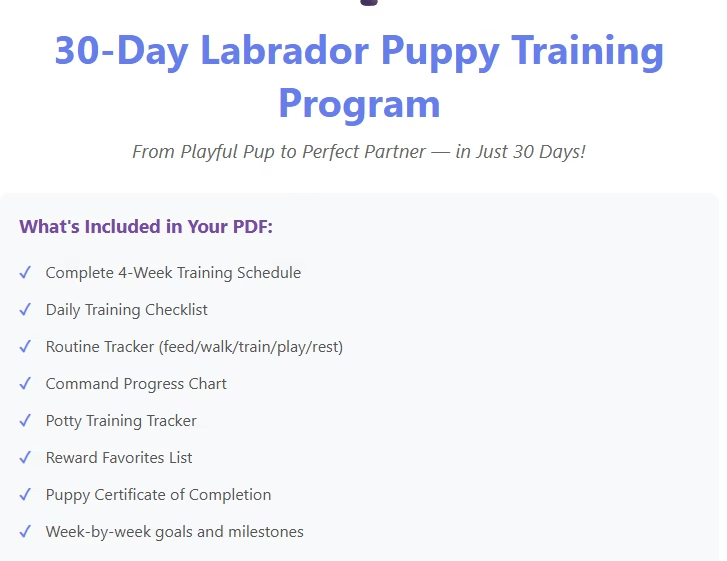
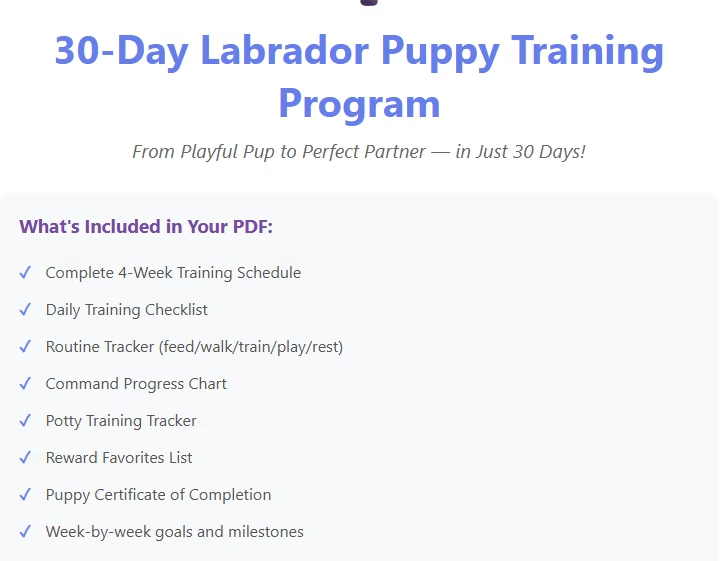
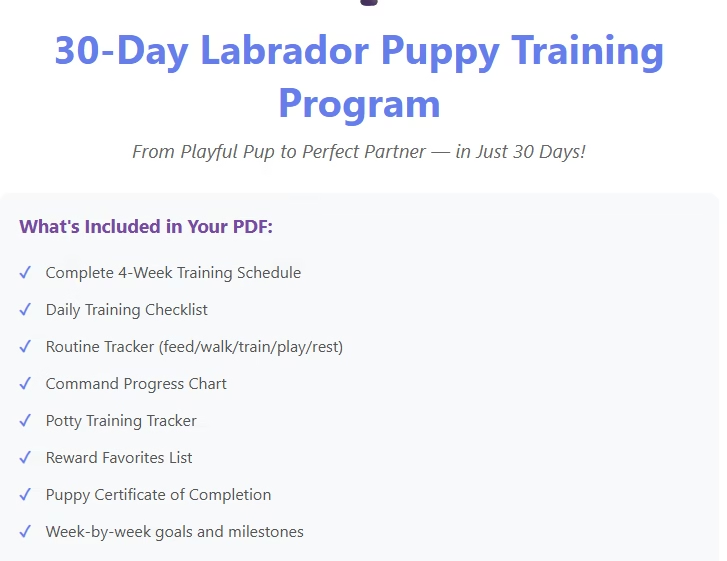
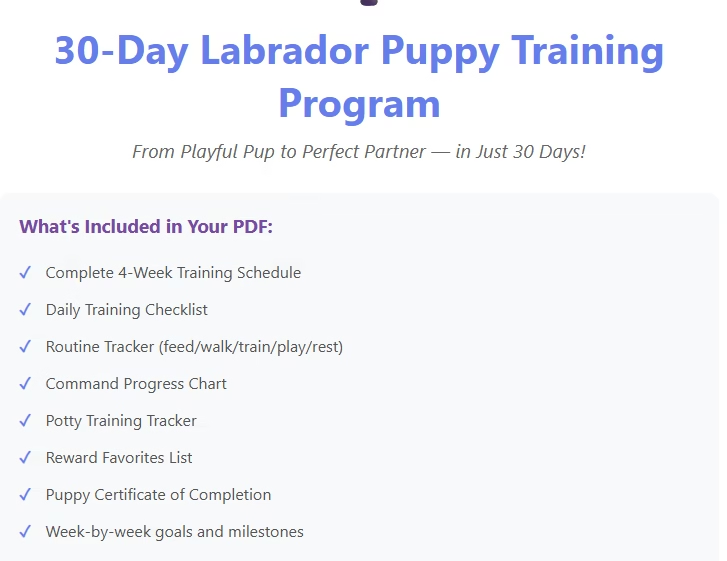
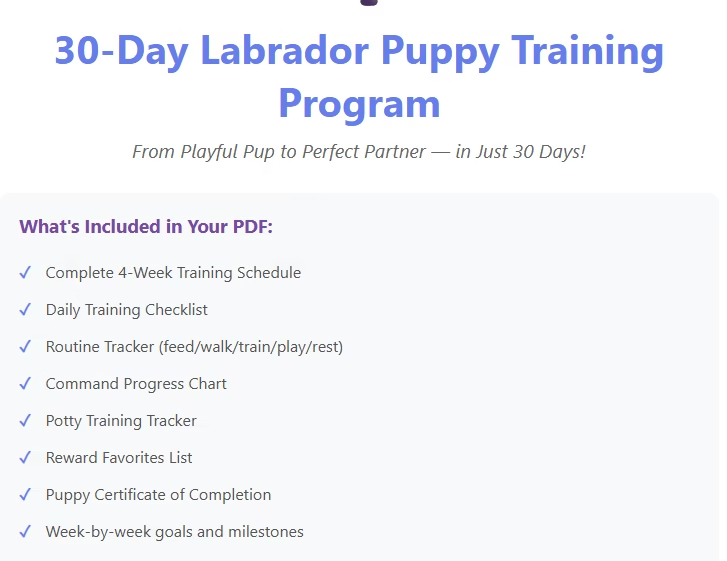
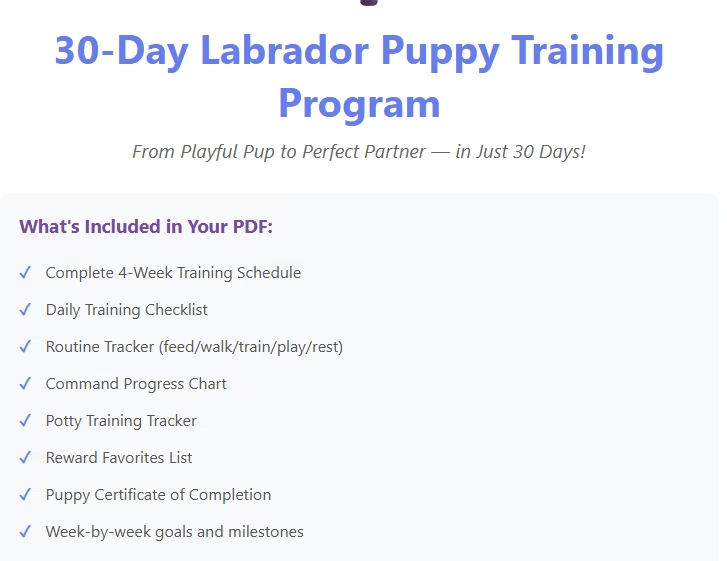
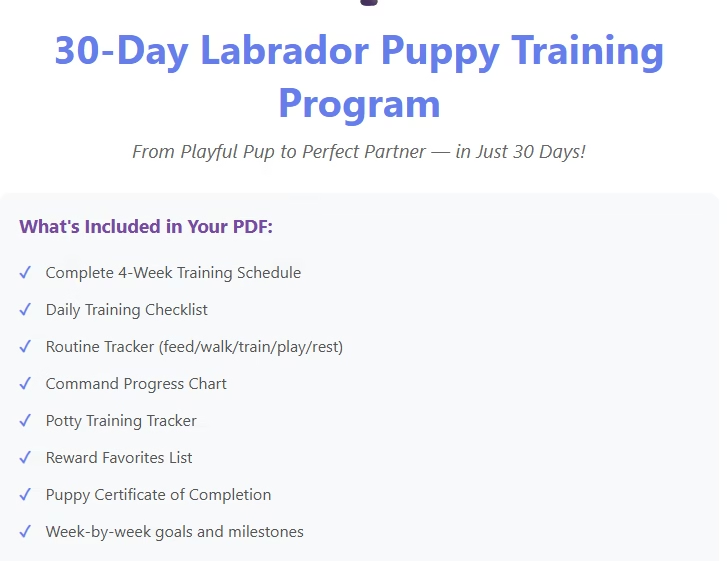
- Print completion certificate
- Celebrate with special play session
- Share progress with family
- Plan continued training goals
Remember: Training is ongoing. Continue practicing and building on this foundation.
Essential Training Tips for Labrador Owners
Positive Reinforcement Works Best
Labrador training methods should focus on rewards, not punishment:
- Use treats, praise, toys, and play as rewards
- Ignore unwanted behaviors (when safe)
- Redirect to appropriate behaviors
- Never use physical punishment
- Stay patient and consistent
Consistency is Critical
All family members must use:
- Same commands
- Same hand signals
- Same rules
- Same rewards
- Same consequences
Inconsistency confuses your Lab and slows training progress.
Short, Frequent Training Sessions
Labs have short attention spans as puppies:
- 5-10 minute sessions
- 3-5 sessions daily
- End on successful note
- Keep it fun and positive
- Allow rest between sessions
Exercise Requirements
Labrador Retrievers are high-energy dogs:
- Puppies: 5 minutes per month of age (twice daily)
- Adults: 60-90 minutes daily
- Include mental stimulation
- Swimming is excellent exercise
- Tired dogs train better
Common Labrador Training Challenges and Solutions
Problem: Excessive Chewing
Solution:
- Provide appropriate chew toys
- Rotate toys to maintain interest
- Puppy-proof your home
- Redirect to appropriate items
- Exercise adequately
- Supervise when loose in house
Problem: Biting and Mouthing
Solution:
- Yelp loudly when bitten
- Immediately stop play
- Redirect to toys
- Never encourage rough play
- Provide teething toys
- Consider puppy socialization classes
Problem: House Training Accidents
Solution:
- Increase outdoor trips
- Watch for warning signs (sniffing, circling)
- Clean accidents with enzymatic cleaner
- Reward outdoor success
- Confine to small area when unsupervised
- Keep consistent schedule
Problem: Pulling on Leash
Solution:
- Stop walking when pulling occurs
- Change directions frequently
- Reward loose-leash walking
- Consider front-clip harness
- Practice in low-distraction areas first
- Be patient and consistent
Problem: Separation Anxiety
Solution:
- Practice leaving for short periods
- Don’t make departures/arrivals dramatic
- Provide puzzle toys
- Crate train properly
- Exercise before leaving
- Consider doggy daycare or dog walker
Beyond 30 Days: Continuing Your Labrador’s Training
Ongoing Training Goals
Training never truly ends. Continue developing:
- Advanced obedience commands
- Off-leash reliability
- Therapy dog training
- Service dog skills (if applicable)
- Agility or dock diving
- Scent work and tracking
- Canine Good Citizen certification
Professional Training Options
Consider professional help for:
- Puppy kindergarten classes
- Basic obedience courses
- Advanced training programs
- Behavior problem correction
- Specialized training (service, therapy, hunting)
Training Resources
Helpful resources for continued learning:
- American Kennel Club (AKC) training guides
- Certified Professional Dog Trainer (CPDT)
- Association of Professional Dog Trainers (APDT)
- Online training courses
- YouTube training channels
- Training books by certified trainers
Health and Training Connection
Proper Nutrition Supports Training
Feed high-quality puppy food:
- Appropriate for large breed puppies
- Balanced nutrition for growth
- Proper portions (Labs tend to overeat)
- Training treats should be 10% or less of daily calories
- Fresh water always available
Veterinary Care
Regular vet visits ensure:
- Proper vaccination schedule
- Parasite prevention
- Health clearances
- Early detection of issues
- Professional advice on development
Mental Stimulation Needs
Labs need mental exercise:
- Puzzle toys and games
- Training sessions
- Nose work activities
- New experiences and environments
- Social interaction with dogs and people
Frequently Asked Questions About Labrador Training
How long does it take to potty train a Labrador puppy?
Most Labrador puppies are reliably potty trained by 4-6 months with consistent training. Some may take up to 8 months. Consistency and patience are key.
Are Labradors easy to train?
Yes, Labradors are among the easiest breeds to train due to their intelligence, food motivation, and eagerness to please. However, they can be energetic and easily distracted, requiring patience.
What age should I start training my Lab puppy?
Start training immediately at 8 weeks old. Early socialization (8-16 weeks) is critical for development. Basic commands can begin right away.
How much exercise does a Labrador puppy need?
Follow the 5-minute rule: 5 minutes of exercise per month of age, twice daily. A 3-month-old needs 15 minutes twice daily, while a 6-month-old needs 30 minutes twice daily.
Can older Labradors be trained?
Absolutely! While puppies learn faster, adult and senior Labs can learn new behaviors. Use the same positive reinforcement methods with patience.
Should I use a clicker for training?
Clickers are helpful but not required. They provide precise timing for marking desired behaviors. Many trainers use verbal markers like “Yes!” successfully.
How do I stop my Lab from jumping on people?
Ignore jumping completely, turn away, and only reward four-paws-on-floor behavior. Teach “Sit” for greetings. Consistency from all people is essential.
What’s the best reward for training Labs?
Most Labs are highly food-motivated. Use small, soft training treats. Some Labs also respond to toys, play, or praise. Find what motivates your individual dog.
Conclusion: Your Journey to a Well-Trained Labrador
Completing this 30-day Labrador training program establishes a strong foundation for a lifetime of companionship. Your dedication to positive reinforcement training, consistency, and patience will pay dividends as your puppy matures into a well-behaved, confident adult dog.
Remember that every Labrador is unique. Some may progress faster than others, and that’s perfectly normal. The key is maintaining consistency, celebrating progress, and continuing training beyond these initial 30 days.
Your Labrador Retriever has the potential to be an amazing companion, therapy dog, service animal, or family pet. With proper training, socialization, and care, you’re setting your Lab up for success in whatever role they fill in your life.
Keep training, stay positive, and enjoy the journey with your loyal Labrador companion!
About the Author: This comprehensive guide combines proven dog training methodologies with breed-specific insights for Labrador Retrievers, designed to help new Lab owners successfully train their puppies using positive, science-based methods.