In today’s fast-paced world, more Americans are turning to natural solutions for wellness and healthcare. The rising costs of prescription medications, concerns about synthetic ingredients, and a growing interest in sustainable living have sparked a revolution in home gardening. At the heart of this movement is something beautifully simple yet profoundly powerful: the Medicinal Garden Kit.
Imagine stepping into your kitchen or onto your balcony and plucking fresh chamomile for a calming evening tea, or harvesting peppermint to soothe an upset stomach. Picture having your own pharmacy growing on your windowsill—no chemicals, no preservatives, just pure, potent herbs ready whenever you need them. This isn’t a fantasy reserved for experienced herbalists or those with sprawling gardens. With a Medicinal Garden Kit, anyone can cultivate their own healing sanctuary, regardless of experience level or space constraints.
What Exactly Is a Medicinal Garden Kit?
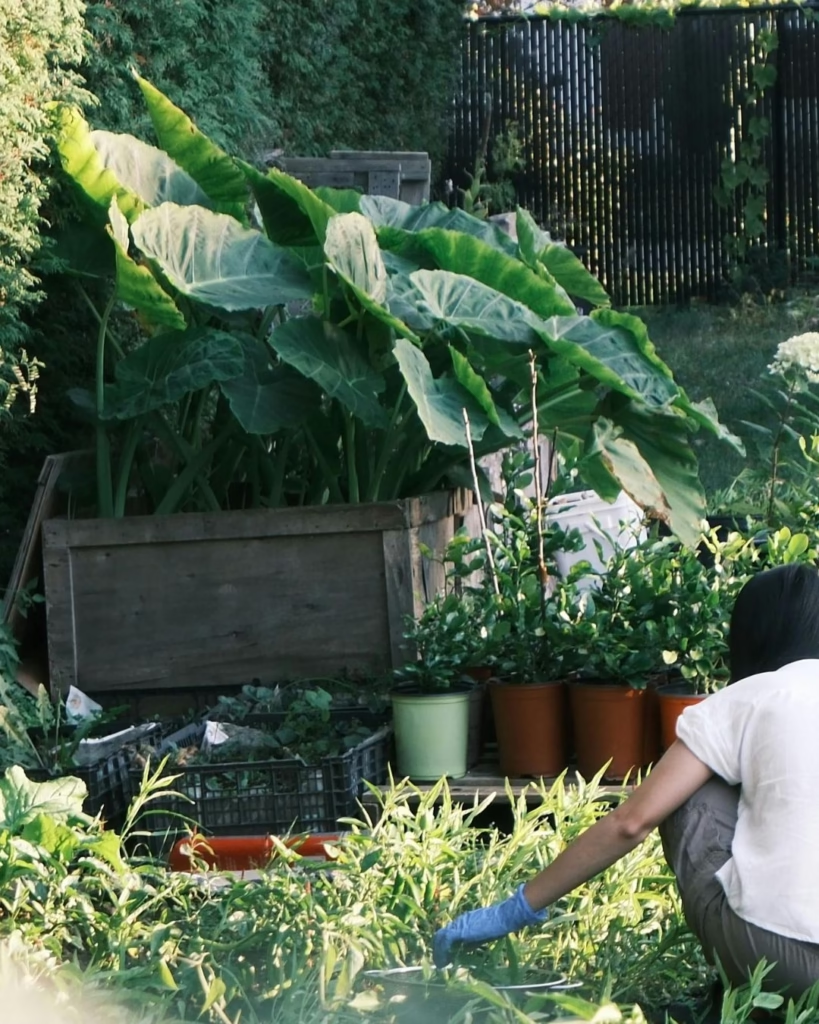
A Medicinal Garden Kit (also known as a medicinal seed kit or herbal medicine starter kit) is a thoughtfully curated collection of medicinal herb seeds specifically chosen for their therapeutic properties and ease of cultivation. Unlike conventional garden kits that might focus on vegetables or decorative flowers, these specialized kits concentrate on plants with proven healing benefits—herbs that have been used for centuries in traditional medicine practices around the world.
These kits are designed with the beginner in mind. They typically include premium-quality seeds for multiple medicinal herbs, comprehensive growing instructions, and sometimes additional resources like planting guides or information about the healing properties of each herb. The beauty of these kits lies in their accessibility: you don’t need a green thumb, acres of land, or expensive equipment to get started.
Why Americans Are Embracing Medicinal Herb Gardens
The trend toward growing medicinal herbs at home has exploded across the United States, and for good reason. Healthcare costs continue to climb, with many Americans paying hundreds of dollars monthly for prescription medications. Meanwhile, concerns about side effects, chemical additives in supplements, and the environmental impact of pharmaceutical production have led many to seek alternatives.
Growing your own medicinal herbs offers a compelling solution. When you cultivate herbs from a Medicinal Garden Kit, you’re investing in your health while simultaneously saving money. A single packet of seeds can produce plants that yield harvests for months or even years, depending on the herb. Compare this to repeatedly purchasing expensive herbal teas, tinctures, or supplements from health food stores, and the value becomes undeniable.
Beyond the financial benefits, there’s something deeply satisfying about the act of growing your own medicine. It reconnects us with ancient wisdom and gives us greater autonomy over our wellness choices. You know exactly what went into growing your herbs—no pesticides, no mystery ingredients, just sunlight, water, and care.
The Powerhouse Herbs You’ll Grow
A quality Medicinal Garden Kit typically includes seeds for several time-tested healing herbs. Let’s explore some of the most valuable plants you’ll likely cultivate:
Chamomile has been treasured for thousands of years as a gentle nervine and sleep aid. This delicate flower with its apple-like scent brews into a golden tea that soothes anxiety, aids digestion, and promotes restful sleep. Growing chamomile is remarkably easy, and once established, it often self-seeds, giving you harvests year after year.
Echinacea, also known as purple coneflower, is a superstar of immune support. This beautiful perennial not only adds stunning pink-purple blooms to your garden but provides powerful medicine for shortening the duration of colds and flu. Native Americans used echinacea for various ailments, and modern research has validated many of its traditional uses.
Peppermint is perhaps one of the most versatile medicinal herbs you can grow. Its menthol-rich leaves offer relief from digestive issues, tension headaches, and congestion. Fresh peppermint tea is infinitely more flavorful and potent than store-bought varieties. Be warned, though—peppermint is an enthusiastic grower and can take over a garden bed if not contained.
Lemon Balm, a member of the mint family, brings a bright, citrusy flavor to teas while offering substantial therapeutic benefits. This herb is renowned for reducing stress and anxiety, improving sleep quality, and even supporting cognitive function. It’s also incredibly forgiving for new gardeners, thriving in various conditions.
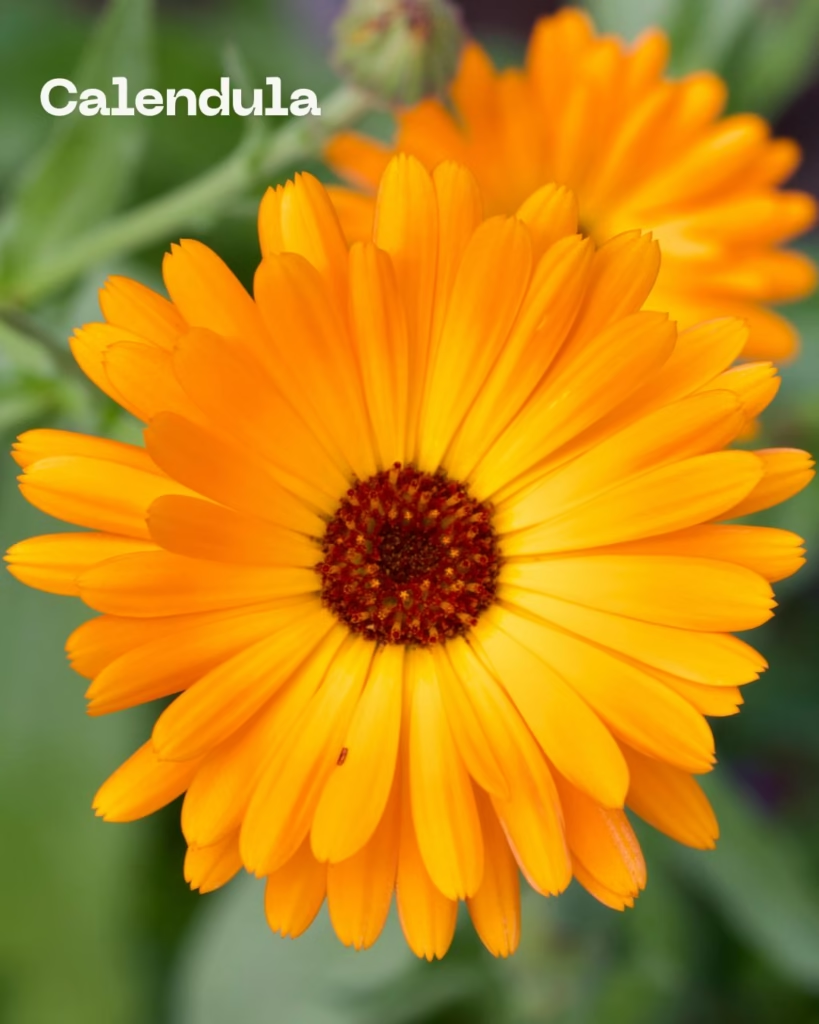
Calendula, with its cheerful orange and yellow flowers, is a must-have for anyone interested in natural skin care. Often called “pot marigold,” calendula has remarkable wound-healing and anti-inflammatory properties. The flowers can be infused into oils for salves, added to baths, or brewed into tea for internal healing.
Indoor Growing: Medicine on Your Windowsill
One of the most appealing aspects of a Medicinal Garden Kit is that you don’t need outdoor space to succeed. Indoor medicinal herb garden kits have made it possible for apartment dwellers, urban residents, and those in challenging climates to grow healing herbs year-round.
Indoor growing offers several advantages. You maintain complete control over growing conditions, protecting your herbs from unexpected frosts, pests, and weather extremes. You can ensure your herbs are grown organically, without exposure to pesticides or pollutants. And perhaps most importantly, you have fresh herbs available whenever you need them—even in the dead of winter.
Most medicinal herbs thrive indoors with just a sunny windowsill. South-facing windows typically provide the best light, though grow lights can supplement natural sunlight if needed. The herbs included in quality medicinal seed kits are specifically chosen for their adaptability to indoor growing conditions.
Growing Your Medicinal Garden: A Simple Process
Starting your medicinal herb garden is surprisingly straightforward, even if you’ve never grown anything before. Here’s what the process looks like:
Begin by selecting your growing location. If you’re growing indoors, choose a spot that receives at least six hours of sunlight daily. A sunny kitchen windowsill is ideal, keeping your herbs close at hand for cooking and medicine making. For outdoor growing, most medicinal herbs prefer a spot with morning sun and afternoon shade, though specific requirements vary by herb.
Prepare your containers or garden bed with high-quality organic potting soil. Medicinal herbs generally prefer well-draining soil, so ensure your containers have drainage holes. Fill your pots, leaving about an inch of space at the top.
Plant your seeds according to the instructions provided with your Medicinal Garden Kit. Some seeds need light to germinate and should be barely covered with soil, while others prefer to be buried deeper. The guidance included with your kit will specify the requirements for each herb.
Water gently and consistently. Most herbs prefer soil that’s moist but not waterlogged. A spray bottle can help you water delicate seedlings without disturbing them. As your plants grow, adjust your watering schedule based on their needs—herbs generally prefer to dry out slightly between waterings.
Once your herbs are established and thriving, you can begin harvesting. The general rule is to never take more than one-third of a plant at any one time, allowing it to continue growing vigorously. Morning is often the best time to harvest, after the dew has dried but before the heat of the day reduces the essential oil content.
From Garden to Medicine Cabinet
The real magic happens when you transform your freshly harvested herbs into healing remedies. The simplest method is brewing tea. Fresh herbs make remarkably flavorful and potent teas—far superior to anything you can buy at the store. Simply place a handful of fresh leaves or flowers in a mug, pour boiling water over them, cover, and steep for five to ten minutes.
Many herbs can also be dried for long-term storage. Hang small bunches upside down in a warm, dry location away from direct sunlight. Once completely dry, strip the leaves from the stems and store them in airtight glass jars. Properly dried herbs can maintain their potency for a year or more.
For topical applications, you can infuse herbs into carrier oils to create healing salves and balms. This process is particularly valuable for calendula, which excels at treating skin irritations, minor wounds, and inflammation.
The Economic Advantage: Seeds vs. Store-Bought
Let’s talk numbers. A single box of organic herbal tea from a health food store typically costs five to eight dollars and contains enough for maybe twenty cups of tea. A quality Medicinal Garden Kit costs roughly the same as a few boxes of tea, yet it provides seeds that can produce hundreds or even thousands of servings of fresh herbs over time.
When you grow medicinal herbs from seeds, you’re not just saving money on a one-time purchase. You’re investing in a renewable resource. Many herbs are perennials that return year after year, while others readily self-seed. That initial investment continues to pay dividends season after season.
Quality Matters: Choosing the Right Kit
Not all medicinal seed kits are created equal. When selecting a kit, look for companies that offer organic, non-GMO seeds with high germination rates. The kit should include a diverse selection of herbs with complementary healing properties, clear growing instructions suitable for beginners, and information about how to use each herb therapeutically.
Customer reviews can provide valuable insights into which kits deliver on their promises. Look for feedback from actual users who have successfully grown the herbs and found them beneficial for health purposes.
Legal and Safety Considerations
A common question people have is whether growing medicinal herbs at home is legal. The answer is a resounding yes. All herbs included in reputable Medicinal Garden Kits are completely legal to grow in the United States. These are common culinary and medicinal plants that have been cultivated in gardens for centuries.
However, legality doesn’t mean you should use herbs carelessly. While the herbs in a typical medicinal garden kit are generally safe, it’s important to research each herb’s properties and potential interactions, especially if you’re taking prescription medications. Some herbs can interact with certain medications or may not be appropriate for pregnant women or people with specific health conditions.
Building Health Independence
Perhaps the most profound benefit of a Medicinal Garden Kit isn’t measured in dollars saved or even ailments treated. It’s the sense of self-sufficiency and connection to nature that growing your own medicine provides. In an age where we’ve become disconnected from the sources of our food and medicine, cultivating healing herbs reconnects us with ancestral wisdom and natural rhythms.
Every time you harvest a handful of fresh chamomile or brew tea from your homegrown peppermint, you’re participating in a tradition that spans millennia. You’re taking an active role in your health rather than passively consuming products. You’re learning to recognize plants, understand their growing patterns, and appreciate their gifts.
Taking the First Step
Starting a medicinal herb garden is an investment in your health, your budget, and your connection to the natural world. It’s a skill you can develop at your own pace, in whatever space you have available, with results that become more rewarding over time.
The beauty of a Medicinal Garden Kit is that it removes the guesswork from getting started. You don’t need to research which herbs to grow or where to source quality seeds. You don’t need to wonder if you’re choosing varieties appropriate for beginners. Everything you need to begin your journey into herbal medicine cultivation is included in one thoughtfully designed package.
Whether you’re motivated by rising healthcare costs, a desire for chemical-free remedies, an interest in sustainable living, or simply the joy of growing something beautiful and useful, a Medicinal Garden Kit offers a pathway to achieving your goals. The herbs you grow today can become the foundation of a healthier, more self-sufficient tomorrow.
Your journey into the world of medicinal herbs begins with a single seed. Why not plant it today?